


Starting a new path toward a better version of yourself feels truly exciting and refreshing. Most people want to improve their physical health but often feel lost without a clear roadmap to follow. Having a well-structured plan makes the difference between a temporary phase and a permanent life change.
Transforming your daily lifestyle involves more than just lifting heavy weights at the local gym. It requires a balanced approach to total wellness that supports both your mind and your body. Small, deliberate actions often lead to the most significant breakthroughs over time.
A solid routine helps you stay consistent even when your daily schedule gets very busy. This guide provides the practical tools you need to reach your personal peak performance quickly. By focusing on simple habits, you can create a sustainable fitness journey that lasts for many years.
Key Takeaways
- Define clear and measurable objectives for your journey.
- Prioritize consistent daily movement to build momentum.
- Focus on nutrient-dense food choices for better energy.
- Ensure adequate sleep to allow for muscle recovery.
- Track your progress weekly to stay motivated and focused.
- Stay hydrated to keep your body functioning at its best.
Understanding Your Fitness Journey
Embarking on a fitness journey is a personal and transformative experience that requires a clear understanding of one’s goals and motivations. This journey is not just about physical transformation; it’s also about mental and emotional growth. To navigate this journey effectively, it’s essential to lay a solid foundation.
Defining Personal Fitness Goals
Defining personal fitness goals is the first step towards a successful fitness journey. These goals should be specific, measurable, achievable, relevant, and time-bound (SMART). For instance, instead of saying “I want to be healthier,” a SMART goal would be “I aim to reduce my body fat percentage to 20% within the next 6 months by exercising for 30 minutes, 3 times a week.” Having clear goals in mind helps in creating a focused workout plan.
Some key considerations when defining your goals include:
- Identifying your motivations for starting a fitness journey
- Assessing your current fitness level
- Setting both short-term and long-term goals
The Importance of Self-Assessment
Self-assessment is crucial in understanding your starting point and tracking your progress throughout your fitness journey. It involves evaluating your current exercise habits, training regimen, and nutritional intake. By doing so, you can identify areas that need improvement and create a more effective fitness plan.
A thorough self-assessment will also help you understand your strengths and weaknesses, allowing you to tailor your fitness plan to suit your needs. This personalized approach ensures that you’re not only working towards your goals but also doing so in a sustainable and healthy manner.
Creating a Sustainable Fitness Plan
Crafting a sustainable fitness plan involves several key elements that work together to help you reach your goals. A well-designed plan not only helps you achieve your fitness objectives but also ensures that you can maintain your progress over time.
Key Components of an Effective Plan
An effective fitness plan includes several critical components.
Clear goals are essential, as they give you direction and motivation.
A well-rounded routine that includes a mix of different types of exercises is also vital.
- Cardiovascular exercises to improve heart health and burn calories
- Strength training to build muscle and boost metabolism
- Flexibility exercises to enhance range of motion and reduce injury risk
Balancing Cardio and Strength Training
Finding the right balance between cardio and strength training is crucial for a well-rounded fitness plan.
Cardio exercises, such as running or cycling, are excellent for improving cardiovascular health and burning fat.
Strength training, on the other hand, helps build muscle mass and increase metabolism.
A balanced routine might include 2-3 cardio sessions and 2-3 strength training sessions per week, depending on your goals and current fitness level.
Setting a Realistic Timeline
Setting a realistic timeline is vital to avoid burnout and prevent discouragement.
Short-term goals should be achievable within a few weeks or months, while long-term goals may take several months to a year or more to achieve.
- Assess your current fitness level to determine a realistic starting point
- Break down larger goals into smaller, manageable milestones
- Regularly review and adjust your timeline as needed
Nutrition: The Backbone of Fitness
Nutrition plays a pivotal role in supporting your fitness journey, acting as the foundation upon which your progress is built. A well-nourished body is better equipped to handle the demands of exercise, recover efficiently, and adapt to the challenges posed by various fitness routines.
When it comes to achieving your fitness goals, nutrition is just as important as your workout regimen. It’s not just about cutting calories or following a specific diet; it’s about fueling your body with the right foods to optimize performance and support overall health and wellness.
A Balanced Diet
A balanced diet is crucial for providing your body with the necessary nutrients to function optimally. This includes a mix of proteins, carbohydrates, fats, vitamins, and minerals. Proteins are essential for muscle repair and growth, while carbohydrates provide the energy needed for workouts. Healthy fats support hormone production and overall health.
- Incorporate a variety of fruits and vegetables into your meals to ensure you’re getting a broad spectrum of vitamins and minerals.
- Choose whole grains over processed grains to increase your fiber intake and support digestive health.
- Lean proteins like chicken, fish, and legumes are excellent for muscle recovery and growth.
Meal Prepping for Success
Meal prepping is a practical strategy for maintaining a balanced diet, especially when you’re busy with work, family, and fitness commitments. By preparing your meals in advance, you can ensure that you’re fueling your body with healthy, nutritious food, even on the most chaotic days.
To start meal prepping effectively, begin by planning your meals for the week, making a grocery list, and shopping for the necessary ingredients. Then, dedicate a few hours on the weekend to preparing your meals for the upcoming days.
- Plan your meals around your fitness goals and dietary needs.
- Cook in bulk to save time during the week.
- Portion out your meals into containers for easy grab-and-go nutrition.
By focusing on nutrition and incorporating meal prepping into your routine, you’ll be better positioned to achieve your fitness goals and maintain a healthy, balanced lifestyle.
Staying Motivated Along the Way
One of the biggest hurdles in a fitness journey is maintaining motivation, but with the right mindset and strategies, you can overcome it. Staying motivated is crucial as it directly impacts your ability to stick to your fitness plan and achieve your goals.
Finding Your Workout Motivation
Understanding what motivates you to work out is the first step towards a consistent exercise routine. Identifying your personal reasons for exercising can significantly boost your motivation. Whether it’s to feel more confident, improve your health, or simply have more energy, knowing your ‘why’ can help you stay committed.
Some effective ways to find your workout motivation include:
- Setting clear and achievable goals
- Finding a workout buddy or joining a fitness community
- Varying your workout routine to avoid boredom
- Rewarding yourself for milestones achieved
Tracking Progress Effectively
Tracking your progress is another vital aspect of staying motivated. By monitoring your achievements, you can see how far you’ve come, which can be a powerful motivator. Using a fitness tracker or a journal can help you keep track of your workouts, weight, and other health metrics.
Here are some effective ways to track your progress:
- Regularly taking body measurements and progress photos
- Using mobile apps to log your workouts and nutrition
- Setting reminders to check your progress against your goals
By combining these strategies, you can maintain a high level of motivation and continue moving towards your fitness goals.
The Role of Rest and Recovery
The importance of rest and recovery in fitness cannot be overstated, as they play a pivotal role in overall health. When you exercise, you’re not just building muscle and endurance; you’re also causing micro-tears in your muscles and depleting your energy stores. Rest and recovery are the periods when your body repairs and strengthens itself.
Why Rest Days Matter
Rest days are not just about taking a break from exercise; they’re an essential part of the fitness process. During rest days, your body:
- Repairs and rebuilds muscle tissue
- Replenishes energy stores
- Adapts to the demands placed upon it, becoming stronger and more resilient
Ignoring rest days can lead to burnout, injury, or overtraining syndrome, all of which can significantly hinder your progress and overall health.
Techniques for Active Recovery
Active recovery involves engaging in low-intensity activities that promote blood flow and aid in the repair of muscle tissue without exerting excessive strain. Some effective techniques include:
- Light cardio, such as walking or cycling
- Stretching and foam rolling to improve flexibility and reduce muscle soreness
- Yoga or Pilates, which can enhance flexibility, balance, and core strength
By incorporating these techniques into your fitness regimen, you can enhance your recovery, improve your overall performance, and maintain a healthy balance between exercise and rest.
Incorporating Fitness Into Daily Life
Daily life offers numerous opportunities to integrate fitness and improve your health. By making a few simple changes to your daily routine, you can significantly enhance your overall wellness and move closer to your fitness goals.
One of the biggest challenges people face is finding time to exercise amidst their busy schedules. However, fitness doesn’t have to be confined to the gym. There are many creative ways to stay active, both at work and at home with your family.
Creative Ways to Stay Active at Work
Staying active at work can be easier than you think. Here are a few strategies to get you started:
- Take a short walk during your lunch break to refresh your mind and stretch your legs.
- Use a standing desk or adjustable desk to alternate between sitting and standing throughout the day.
- Take the stairs instead of the elevator, even if it’s just for a few floors.
- Try desk exercises like chair squats or desk push-ups.

Making Family Activities Fit for Everyone
Involving your family in fitness activities not only promotes a healthy lifestyle but also creates quality time together. Consider the following ideas:
- Plan outdoor activities like hiking, biking, or playing sports together.
- Engage in home workouts that everyone can participate in, such as yoga or bodyweight exercises.
- Turn household chores into a fun, energetic activity by playing music and turning it into a workout.
By incorporating these simple changes into your daily life, you can make fitness a sustainable and enjoyable part of your lifestyle, leading to improved overall health and wellness.
Exploring Different Workout Styles
Exploring different workout styles is crucial in determining the most effective way to achieve your fitness objectives. With various training methods available, understanding the benefits of each can help you make an informed decision about your fitness regimen.
The world of fitness offers a diverse range of workout styles, from group classes to solo sessions at home or in the gym. Each style has its unique advantages and caters to different preferences and goals.
The Benefits of Group Classes
Group fitness classes have gained popularity due to their numerous benefits. They offer a motivational environment where participants can draw energy and inspiration from others working towards similar goals.
- Variety: Group classes often feature a mix of exercises, reducing the monotony associated with repetitive workout routines.
- Expert Guidance: Instructors provide guidance on proper form and technique, minimizing the risk of injury.
- Social Interaction: These classes foster a sense of community, helping to build connections and friendships among participants.
Moreover, the structured format of group classes can help individuals stay on track with their workout schedules, as they are more likely to attend classes they have committed to.
At-Home Workouts vs. Gym Sessions
The debate between at-home workouts and gym sessions is ongoing, with each having its proponents. Understanding the differences can help you decide which is best for your lifestyle and fitness goals.
At-home workouts offer convenience and flexibility, allowing you to exercise at any time without the need to commute. They can be particularly beneficial for those with busy schedules or who prefer privacy while working out.
On the other hand, gym sessions provide access to a wide range of equipment and facilities that may not be available at home. Gyms also offer a dedicated space for working out, which can be a significant motivator for many.
- Equipment Variety: Gyms are equipped with various machines and free weights, allowing for a comprehensive workout.
- Professional Advice: Many gyms offer personal training sessions, providing personalized guidance and support.
- Motivational Environment: The gym atmosphere can be motivating, with the energy of others working out around you.
Ultimately, the choice between at-home workouts and gym sessions depends on your personal preferences, fitness goals, and lifestyle. Some may find a combination of both to be the most effective approach.
Setting Up a Support System
Having a robust support network is essential for maintaining motivation and consistency in your fitness endeavors. A well-structured support system can provide encouragement, guidance, and accountability, helping you navigate the challenges of your fitness journey.
Engaging Friends and Family in Fitness
Engaging your friends and family in your fitness goals can significantly enhance your motivation and commitment. When those around you understand and support your objectives, you’re more likely to stay on track. Consider inviting friends or family members to join you in workouts or fitness activities. This not only makes the experience more enjoyable but also fosters a sense of camaraderie and shared achievement.
Here are a few ways to involve your loved ones:
- Plan group fitness activities, such as hiking or cycling trips.
- Share your fitness goals and progress with them to garner support and encouragement.
- Invite them to join you for workouts or exercise classes.
Online Communities and Resources
In addition to personal support networks, online communities and resources can offer valuable guidance, motivation, and connection. Numerous forums, social media groups, and fitness apps are dedicated to supporting individuals on their fitness journeys. These platforms allow you to share experiences, ask questions, and learn from others who may be facing similar challenges.
Some popular options include:
- Fitness forums and discussion boards.
- Social media groups focused on fitness and wellness.
- Fitness tracking and community apps.
By leveraging both personal and online support systems, you can create a comprehensive network that supports your fitness goals and fosters a healthy, active lifestyle.
Overcoming Common Fitness Barriers
Embarking on a fitness journey can be fraught with challenges, but understanding how to overcome them is key to success. Many individuals struggle with maintaining their motivation and overcoming obstacles that stand in the way of their fitness goals.
One of the primary barriers to fitness is finding the time to exercise. Effective time management is crucial for incorporating physical activity into a busy schedule.
Time Management Strategies
To manage time effectively for fitness, consider the following strategies:
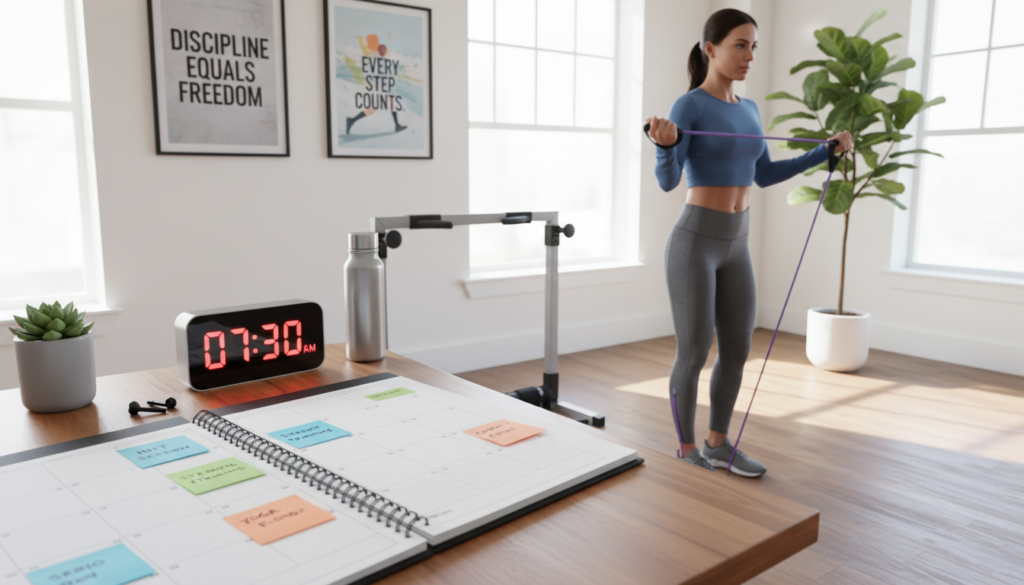
- Schedule workouts in your calendar as you would any other important appointment.
- Start with short, manageable sessions and gradually increase duration and intensity.
- Identify pockets of time in your daily routine that can be utilized for physical activity, such as taking the stairs instead of the elevator.
Dealing with Setbacks Positively
Setbacks are an inevitable part of any fitness journey. Instead of getting discouraged, it’s essential to learn from these experiences and move forward.
To deal with setbacks positively, focus on the progress you’ve made so far and the reasons you started your fitness journey. Celebrate small victories along the way to keep yourself motivated.
Moreover, having a support system in place can make a significant difference. Surround yourself with people who encourage and support your fitness goals.
The Importance of Mental Health in Fitness
The journey to fitness is as much about mental resilience as it is about physical strength. As individuals embark on their fitness journeys, understanding the integral role of mental health is crucial for achieving a balanced wellness and lifestyle.
Mental health significantly influences one’s ability to stick to a fitness regimen and overall success in reaching fitness goals. A positive mental state can enhance motivation, reduce stress, and improve overall physical performance.
Mindfulness and Exercise
Mindfulness, the practice of being fully present and engaged in the current moment, has been shown to have a positive impact on both mental and physical health. When combined with exercise, mindfulness can enhance the benefits of physical activity by reducing stress and improving mental clarity.
Activities such as yoga and tai chi are excellent examples of exercises that combine physical movement with mindfulness techniques. These practices not only improve flexibility and strength but also promote a sense of calm and well-being.
Building Resilience through Fitness
Fitness plays a significant role in building mental resilience. Regular physical activity has been shown to reduce symptoms of anxiety and depression, improve mood, and enhance overall mental well-being.
By incorporating a variety of exercises into a fitness routine, individuals can develop a robust mental resilience that helps them navigate life’s challenges more effectively. This includes a mix of cardio, strength training, and flexibility exercises, which together contribute to a holistic approach to fitness and mental health.
To build resilience, it’s also important to listen to your body and allow for adequate rest and recovery. This balanced approach to fitness not only improves physical health but also supports mental well-being, creating a positive feedback loop that enhances overall wellness.
Evaluating and Adjusting Your Fitness Goals
As you progress on your fitness journey, it’s essential to regularly evaluate your goals to ensure they remain relevant and achievable. This process allows you to make necessary adjustments, staying on track to achieve optimal health.
Reassessing Your Fitness Plan
Reassess your fitness plan every few months or when you’ve reached a significant milestone. This helps identify areas for improvement and ensures your routine remains challenging and engaging, supporting your overall fitness goals.
Acknowledging Progress
Celebrating your achievements, no matter how small, is vital for maintaining motivation. Recognizing your progress reinforces positive behaviors, encouraging continued commitment to your health and fitness objectives.
By regularly evaluating and adjusting your fitness goals, you can maintain a focused and effective approach to achieving overall health and wellness.