

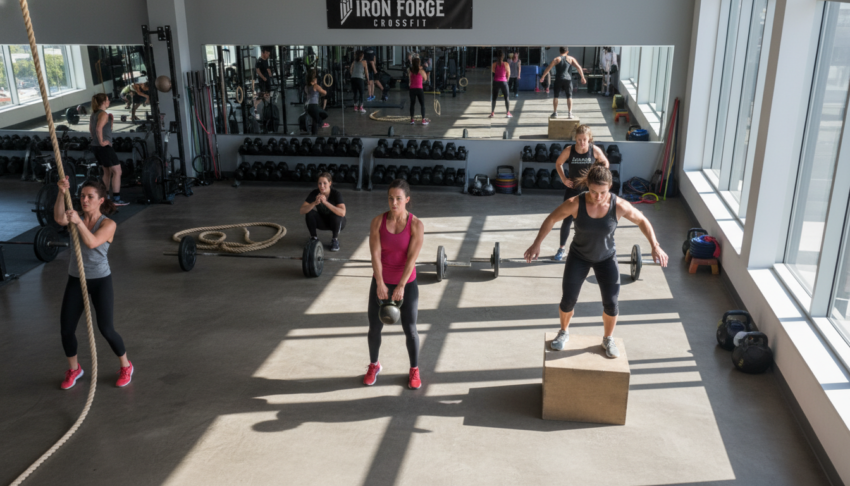
Are you ready to transform your life and reach new heights in your physical health? Finding the right path to fitness can often feel like a daunting task in our busy world. Many people search for a program that builds strength while keeping things exciting and fresh every single day.
A great workout should be more than just lifting weights or running on a treadmill. It should challenge your body and mind while providing a supportive community to keep you motivated. This high-intensity approach combines various movements to ensure you never get bored with your routine.
Exploring crossfit allows you to discover what your body is truly capable of achieving through functional movements. By focusing on varied exercises, you can develop a balanced level of athleticism that applies to real-life situations. This method helps you gain confidence while improving your overall well-being.
Embracing the crossfit lifestyle means joining a global movement dedicated to health and functional performance. Unlock your true potential and see how consistent effort leads to remarkable changes in how you look and feel. Let’s dive into how this journey can change your life forever.
Key Takeaways
- Boost your metabolic rate with high-intensity training sessions.
- Improve functional strength used for daily physical activities.
- Join a supportive community of motivated individuals.
- Keep your routine exciting with constantly varied movements.
- Enhance your cardiovascular health and overall endurance levels.
- Build confidence through measurable progress and personal goals.
What is Crossfit and How Does It Work?
Understanding Crossfit begins with grasping its foundational principles, which center around functional movements and high-intensity training. Crossfit is more than just a workout; it’s a comprehensive fitness program designed to improve overall health and athleticism.
Crossfit’s methodology is rooted in its definition, which emphasizes a broad and inclusive approach to fitness. Let’s dive deeper into what Crossfit entails.
Definition of Crossfit
Crossfit is defined as a high-intensity, functional fitness program that incorporates a variety of exercises, including strength training, gymnastics, and cardio exercises. This broad approach ensures that participants improve in multiple aspects of fitness.
The program is designed to be scalable, making it accessible to individuals of all fitness levels. Whether you’re a beginner or an advanced athlete, Crossfit can be adapted to suit your needs.
Key Elements of Crossfit
The key elements of Crossfit include:
- Variety: Workouts are diverse and change regularly to keep the training interesting and challenging.
- Functional Movements: Exercises are designed to mimic real-life movements, enhancing overall functionality and reducing the risk of injury.
- Intensity: High-intensity workouts push participants to their limits, improving cardiovascular health and strength.
- Community: Crossfit boxes (gyms) foster a supportive community that encourages and motivates members.
The Importance of Functional Movements
Functional movements are a cornerstone of Crossfit. These movements, such as squats, deadlifts, and pull-ups, are essential for everyday life. They improve coordination, balance, and overall physical capability.
By focusing on functional exercise, Crossfit helps individuals build a strong foundation for daily activities and athletic pursuits. This approach to fitness is not just about performing well in the gym; it’s about enhancing overall quality of life.
The Benefits of Crossfit Training
Crossfit training has revolutionized the fitness industry by offering a comprehensive workout solution that enhances overall health and physical fitness. This form of exercise is designed to improve various aspects of physical fitness, including strength, conditioning, and cardiovascular health, while also fostering a sense of community among its practitioners.
Enhanced Strength and Conditioning
One of the primary benefits of Crossfit training is its ability to enhance strength and conditioning. Through a variety of functional movements such as squats, deadlifts, and bench press, Crossfit workouts help build muscular strength and endurance. Additionally, conditioning exercises like high-intensity interval training (HIIT) improve cardiovascular endurance and increase overall physical fitness.
- Increased muscular strength through resistance training
- Improved muscular endurance through high-repetition exercises
- Enhanced power and speed through plyometric exercises
Boosting Cardiovascular Health
Crossfit training is also an effective way to boost cardiovascular health. The high-intensity nature of Crossfit workouts pushes the heart rate up, improving cardiovascular function and increasing endurance. Regular participation in Crossfit can lead to improved heart health, reduced blood pressure, and a lower risk of cardiovascular disease.
- Improved heart health through increased cardiovascular function
- Enhanced endurance through regular high-intensity workouts
- Reduced risk of cardiovascular disease through regular exercise
Building Community and Accountability
Beyond the physical benefits, Crossfit training fosters a sense of community and accountability among its practitioners. Crossfit gyms (or “boxes”) provide a supportive environment where individuals can motivate and encourage each other to reach their fitness goals. This sense of community is a key factor in the success of Crossfit, as it helps individuals stay committed to their workout routine and celebrate their progress.
By joining a Crossfit gym, individuals become part of a community that values health, fitness, and mutual support. This environment not only enhances the workout experience but also provides a network of like-minded individuals who share similar goals and values.
Getting Started with Crossfit
The world of Crossfit is welcoming, and with the right guidance, anyone can dive into this effective workout regimen. To get started, it’s essential to understand the foundational elements that make Crossfit both challenging and rewarding.
Finding a Local Crossfit Gym
The first step in your Crossfit journey is locating a gym that fits your needs. With thousands of affiliated gyms worldwide, you’re likely to find one conveniently located. When selecting a gym, consider factors such as the coaching style, class schedule, and community vibe. Many gyms offer introductory classes or trial periods, allowing you to experience their environment firsthand.
The Basics of Crossfit Equipment
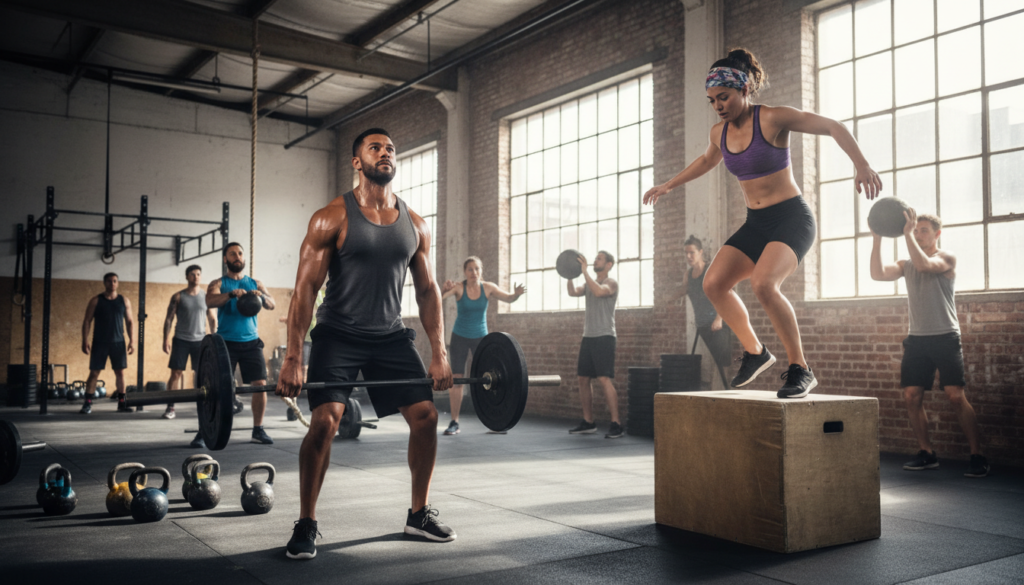
Crossfit workouts utilize a variety of equipment, including barbells, kettlebells, pull-up bars, and rowing machines. Familiarizing yourself with this equipment is crucial. Most gyms will introduce you to the equipment during your initial classes. Key pieces include:
- Barbells: Used for lifts like squats and deadlifts.
- Kettlebells: Utilized for swings and other dynamic movements.
- Pull-up Bars: Essential for upper body workouts.
- Rowing Machines: Great for cardiovascular conditioning.
Joining Your First Class: What to Expect
Your first Crossfit class can be intimidating, but knowing what to expect can ease your nerves. Typically, a class begins with a warm-up, followed by a skill or strength segment, and concludes with a workout of the day (WOD). Coaches will guide you through each exercise, offering modifications to suit your fitness level. Be prepared to:
- Arrive early to sign in and get settled.
- Meet your coach and fellow class members.
- Learn proper technique and scaling options for the WOD.
By understanding these basics, you’ll be well-prepared to start your Crossfit journey with confidence.
Essential Crossfit Workouts for Beginners
Embarking on a Crossfit journey can be both thrilling and intimidating, but with the right workouts, beginners can set themselves up for success. Crossfit is known for its varied and challenging workouts, but for those just starting out, it’s essential to begin with exercises that build a solid foundation in fitness.
The Beginner-friendly WODs
For beginners, starting with workouts that are both manageable and scalable is crucial. Some beginner-friendly WODs (Workouts of the Day) include:
- Cindy: 20 minutes as many rounds as possible (AMRAP) of 5 pull-ups, 10 push-ups, and 15 air squats.
- Angie: AMRAP of 100 pull-ups, 100 push-ups, 100 sit-ups, and 100 squats.
- Helen: 3 rounds as fast as possible (AFAP) of 400m run, 21 kettlebell swings, and 12 pull-ups.
These WODs are not only great for building strength and endurance but also introduce beginners to a variety of movements and exercise techniques.
Scaling Workouts for Fitness Levels
One of the key benefits of Crossfit is its scalability. Workouts can be adjusted to suit individual fitness levels, making it accessible to everyone. For example:
- If a WOD calls for pull-ups and you’re not able to perform them, you can scale down to ring rows or assisted pull-ups.
- For exercises like squats or deadlifts, weights can be adjusted. Beginners can start with bodyweight or light weights and gradually increase the load as they build strength.
Scaling workouts ensures that you’re always challenging yourself appropriately and reducing the risk of injury during training.
Tracking Your Progress
Tracking your progress is vital in Crossfit. It not only helps in monitoring improvements in strength and endurance but also keeps you motivated. Here are some ways to track your progress:
- Workout Logs: Keeping a log of your workouts, including the exercises, weights used, and how you felt, can provide valuable insights into your progress.
- Progress Photos and Measurements: Regularly taking progress photos and measurements can help track visual changes in your body.
- Performance Metrics: Tracking performance metrics such as times for certain WODs or the amount of weight lifted can be a great motivator.
By focusing on these essential elements, beginners can set themselves up for a successful and rewarding Crossfit journey, enhancing their overall fitness and well-being.
Nutrition Tips for Crossfit Enthusiasts
Proper nutrition is the backbone of a successful Crossfit journey, fueling your body for optimal performance. A well-balanced diet supports muscle growth, recovery, and overall health, making it a crucial component of any Crossfit regimen.
Understanding Macros and Micros
To optimize your nutrition, it’s essential to understand the role of macronutrients and micronutrients. Macronutrients include carbohydrates, proteins, and fats, which provide energy and support muscle growth and repair. Carbohydrates are a primary source of energy, while proteins are vital for muscle recovery and growth. Fats support hormone production and overall health.
Micronutrients, including vitamins and minerals, play a critical role in energy production, immune function, and overall well-being. Ensuring adequate intake of both macronutrients and micronutrients is vital for peak performance and recovery.
- Carbohydrates: Focus on complex carbs like whole grains, fruits, and vegetables.
- Proteins: Include lean proteins like chicken, fish, and legumes in your diet.
- Fats: Healthy fats from sources like nuts, seeds, and avocados are essential.
Pre- and Post-Workout Nutrition
Nutrition before and after workouts is critical for performance and recovery. Pre-workout nutrition should focus on providing energy and preventing muscle damage. A balanced meal with carbohydrates and proteins about 1-3 hours before a workout can be beneficial.
Post-workout nutrition is equally important, as it aids in recovery and muscle repair. Consuming a mix of carbohydrates and proteins within 30-60 minutes after a workout can help replenish energy stores and support muscle recovery.
Importance of Hydration
Staying hydrated is vital for physical performance and overall health. Adequate hydration supports energy production, temperature regulation, and joint health. It’s recommended to drink water throughout the day, with a focus on hydration before, during, and after workouts.
- Drink at least 8-10 glasses of water per day.
- Monitor your urine output to ensure you’re staying hydrated.
- Avoid excessive caffeine and sugary drinks that can lead to dehydration.
By focusing on balanced nutrition and hydration, Crossfit enthusiasts can optimize their performance, support their overall health, and achieve their fitness goals more effectively.
How to Prevent Injuries in Crossfit
To get the most out of Crossfit, it’s essential to understand how to prevent injuries and maintain overall health. Crossfit’s high-intensity workouts can be demanding on the body, making injury prevention a critical component of a successful training regimen.
Common Crossfit Injuries
Crossfit athletes are prone to various injuries due to the diverse nature of the workouts. Common injuries include shoulder strains, knee injuries, and lower back strains. These injuries often result from improper technique, overtraining, or insufficient warm-up and cool-down routines.
Understanding the common injury patterns can help athletes take preventive measures. For instance, strengthening the muscles around the shoulder and knee joints can significantly reduce the risk of strains and sprains.
Importance of Proper Technique
Proper technique is the cornerstone of injury prevention in Crossfit. Learning the correct form and execution of exercises not only enhances performance but also minimizes the risk of injury. It’s crucial for athletes to work with certified coaches who can provide personalized feedback and adjustments.
Moreover, scaling workouts according to individual fitness levels ensures that athletes are not pushing themselves beyond what their bodies can handle, further reducing the risk of injury.
Recovery and Rest Strategies
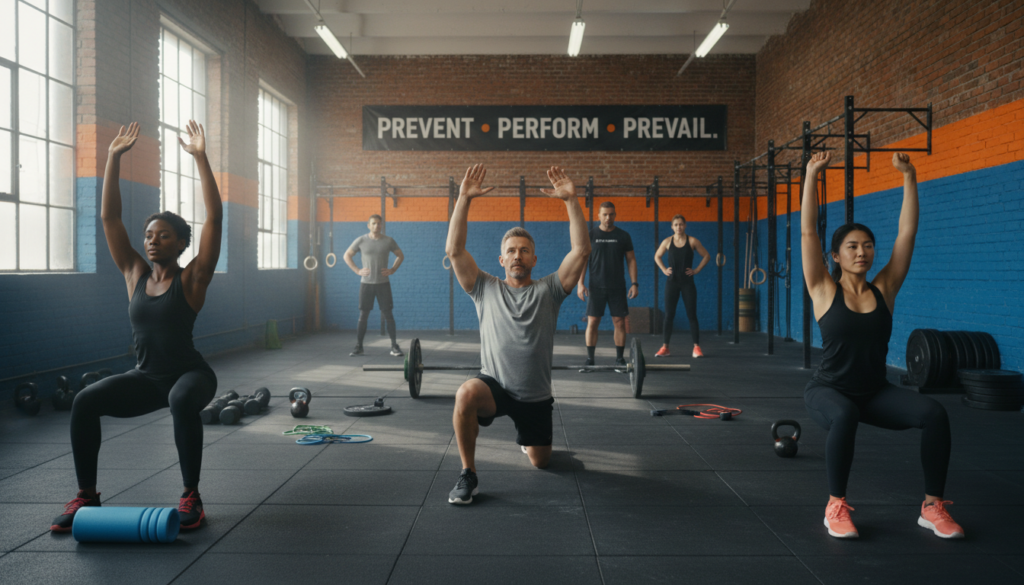
Adequate recovery and rest are vital components of a healthy Crossfit training regimen. Rest days allow the body to repair and rebuild muscle tissue, making it stronger over time. Incorporating active recovery techniques such as stretching, foam rolling, and self-myofascial release can also aid in the recovery process.
Nutrition plays a significant role in recovery as well. Consuming a balanced diet that includes adequate protein, complex carbohydrates, and healthy fats supports muscle repair and overall health.
Advanced Crossfit Techniques and Workouts
For those who have mastered the basics of Crossfit, it’s time to take their training to the next level with advanced techniques and workouts. As athletes progress in their Crossfit journey, they often seek new challenges that can help them improve their performance and achieve their fitness goals.
Advanced Crossfit training involves a combination of complex movements, high-intensity workouts, and strategic planning. It’s not just about increasing the weight or the number of repetitions; it’s about refining technique, building endurance, and enhancing overall fitness.
Incorporating Olympic Lifts
One of the key components of advanced Crossfit training is the incorporation of Olympic lifts. These lifts, such as the snatch and the clean and jerk, require a high level of technique, strength, and coordination. They are excellent for building power and improving overall athleticism.
- Snatch: A lift that involves moving the barbell from the floor to overhead in one swift motion.
- Clean and Jerk: A two-part lift that involves lifting the barbell to the shoulders (clean) and then from the shoulders to overhead (jerk).
To incorporate Olympic lifts into your training, it’s essential to focus on proper technique and start with manageable weights. Working with a certified Crossfit coach can be invaluable in mastering these lifts.
High-Intensity Interval Training (HIIT)
High-Intensity Interval Training (HIIT) is another critical component of advanced Crossfit workouts. HIIT involves short bursts of high-intensity exercise followed by brief periods of rest. This type of training is excellent for improving cardiovascular health, increasing speed, and enhancing metabolic conditioning.
A typical HIIT workout might involve:
- 30 seconds of burpees at maximum intensity.
- 30 seconds of rest.
- 30 seconds of jump squats at maximum intensity.
- 30 seconds of rest.
Repeat the circuit for 15-20 minutes, adjusting the intensity and rest periods as needed.
Crossfit Open and Competitions
For many Crossfit athletes, participating in the Crossfit Open and other competitions is a significant part of their training journey. These events provide a platform for athletes to test their skills against others, set new personal records, and be part of a larger Crossfit community.
Preparing for the Crossfit Open or other competitions involves specific training strategies, including:
- Focusing on weaknesses: Identify areas that need improvement and create a training plan to address them.
- Simulating competition conditions: Practice workouts under conditions that mimic the competition environment.
- Building endurance: Incorporate longer workouts and higher intensity training to build the endurance needed for competition.
By incorporating these advanced techniques and workouts into their training, Crossfit athletes can continue to challenge themselves, achieve new levels of fitness, and enjoy the many benefits that Crossfit has to offer.
The Role of Coaching in Crossfit
The right coaching can elevate your Crossfit experience, ensuring you get the most out of your training. Coaching is a vital component that distinguishes Crossfit from other fitness programs. It’s not just about following a workout routine; it’s about being part of a community that is guided by experienced professionals.
Benefits of a Certified Crossfit Coach
A certified Crossfit coach brings a wealth of knowledge and experience to the table. They are trained to provide coaching that is tailored to individual needs, ensuring that athletes perform exercises correctly and safely. This personalized attention helps in preventing injuries and improving overall performance.
Moreover, certified coaches are updated with the latest training methodologies and techniques. They can offer valuable insights and adjustments to an athlete’s training regimen, helping them overcome plateaus and achieve their fitness goals more effectively.
Personal Training vs. Group Classes
Crossfit is known for its group classes, which foster a sense of community and camaraderie among athletes. However, some may prefer personal training for more focused attention. Both approaches have their benefits. Group classes offer motivation and a competitive environment, while personal training provides customized coaching tailored to specific needs and goals.
Ultimately, the choice between personal training and group classes depends on individual preferences and objectives. Many Crossfit gyms offer a combination of both, allowing athletes to experience the benefits of each.
Feedback and Adaptation
One of the key roles of a Crossfit coach is to provide continuous feedback and adapt training programs as needed. This involves monitoring an athlete’s progress, identifying areas for improvement, and making necessary adjustments to their training regimen.
Regular feedback helps athletes stay motivated and on track. It also ensures that they are performing exercises with proper form and technique, reducing the risk of injury. By adapting the training program to an athlete’s evolving needs and capabilities, coaches can help them achieve sustained progress and reach their full potential in fitness.
Crossfit Success Stories
The Crossfit community is replete with stories of individuals who have overcome challenges and achieved remarkable fitness goals. These stories not only inspire others but also highlight the transformative power of Crossfit.
Profiles of Notable Crossfit Athletes
Crossfit has produced some of the world’s top athletes, known for their incredible strength, endurance, and agility. Athletes like Mat Fraser and Katrin Davidsdottir have dominated the Crossfit Games, showcasing the pinnacle of Crossfit fitness.
- Mat Fraser, known as “The World’s Fittest Man,” has won the Crossfit Games four times.
- Katrin Davidsdottir, a two-time Crossfit Games champion, is celebrated for her versatility and strength.
- Other notable athletes include Rich Froning and Annie Thorisdottir, who have consistently performed at the highest level.
Transformational Journeys Through Crossfit
Crossfit is not just for elite athletes; it’s a journey that many undertake to improve their health and fitness. Individuals like Joe Cirulli, who lost over 100 pounds through Crossfit, share their stories of transformation, inspiring others to start their own journeys.
These transformational journeys are a testament to the effectiveness of Crossfit in changing lives. The combination of functional movements, varied workouts, and a supportive community helps individuals achieve their fitness goals.
Community Impact and Support
The Crossfit community plays a crucial role in the success of its members. The sense of belonging and support found in Crossfit boxes (gyms) around the world is unparalleled. Members motivate and encourage each other, creating a positive and uplifting environment.
- The community aspect helps in keeping members accountable and motivated.
- Crossfit boxes often host events and workshops, fostering a sense of camaraderie.
- The support extends beyond the gym, with members often forming lasting bonds.
In conclusion, Crossfit success stories are a powerful reminder of the impact that this form of exercise can have on individuals and communities. Whether you’re an aspiring athlete or just starting your fitness journey, the Crossfit community has something to offer everyone.
The Future of Crossfit
As Crossfit continues to evolve, it’s exciting to consider what the future holds for this dynamic fitness regimen. The Crossfit community is known for its adaptability and resilience, traits that will undoubtedly shape its future.
The landscape of Crossfit is changing, driven by emerging trends, innovations in equipment, and its expanding global presence. This evolution is not just about the workouts themselves but also about how Crossfit integrates with the broader fitness community.
Trends in Crossfit Training
One of the significant trends in Crossfit training is the incorporation of more specialized and focused workouts. Athletes are now seeing a rise in high-intensity interval training (HIIT) and Olympic lifting programs that cater to different fitness levels and goals.
Additionally, there’s a growing emphasis on functional movements that improve overall fitness and athleticism. This trend is expected to continue, with workouts becoming more varied and tailored to individual needs.
Innovations in Crossfit Equipment
The equipment used in Crossfit is also undergoing significant changes. Manufacturers are now designing gear that is not only more durable and versatile but also safer for athletes. Innovations include adjustable dumbbells, customizable rigs, and equipment with built-in technology to track performance.
These advancements are making it easier for Crossfit gyms to provide a high-quality training environment that meets the diverse needs of their members.
The Global Reach of Crossfit
Crossfit’s global presence is one of its most significant strengths. With affiliates in numerous countries, the community is becoming increasingly diverse. This global reach is fostering a rich exchange of ideas and training methods, further enriching the Crossfit experience.
As Crossfit continues to expand into new markets, it’s likely that we’ll see the development of region-specific workouts and training programs that reflect local cultures and preferences.
FAQs About Crossfit
As you consider joining a Crossfit gym, you may have some questions about what to expect. Crossfit is a versatile workout that can be adapted to different fitness levels, making it accessible to a wide range of individuals.
Suitability for All Fitness Levels
Crossfit is designed to be scalable, allowing participants to modify workouts according to their abilities. Whether you’re a seasoned athlete or just starting out, a Crossfit gym can provide a supportive environment to help you achieve your fitness goals.
Training Frequency
The frequency of your Crossfit workout depends on your goals and current fitness level. Typically, training 3-5 times per week is recommended to see noticeable improvements in strength and conditioning.
Preparing for a Class
When attending a Crossfit class, it’s essential to bring the right gear. Comfortable workout clothes, a water bottle, and a towel are must-haves. Many gyms also recommend bringing a jump rope and gloves for certain exercises.