

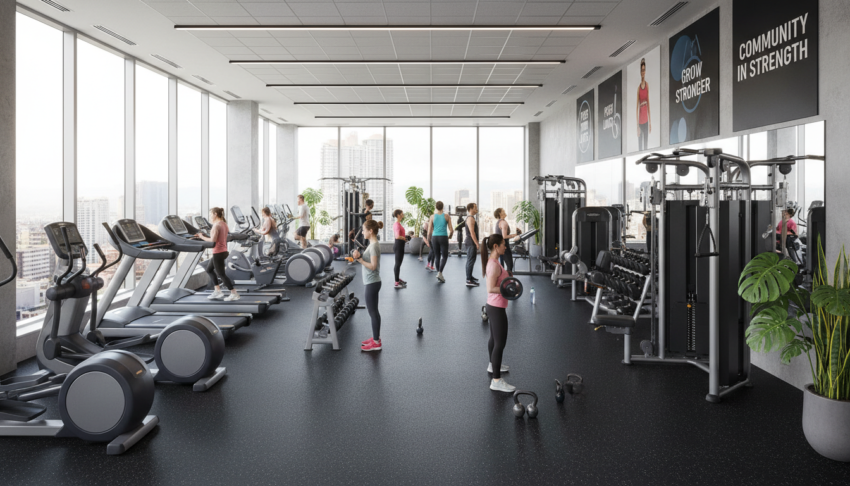
Starting a new health journey is an exciting step that requires the right environment to succeed. Choosing a quality fitness center provides you with the essential tools and community support needed to stay on track. This decision is truly vital for anyone looking to make a long-term lifestyle change.
It is easy to feel overwhelmed by the variety of local options available today. This guide will help you navigate the selection process by focusing on what matters most for your unique goals. We aim to make your search for the ideal training spot simple and stress-free.
Finding the right gym involves more than just checking the monthly price tag. You should consider the local culture and how well the gym aligns with your daily habits. Evaluating these factors ensures you find a place where you actually enjoy spending your time.
Key Takeaways
- Identify your specific fitness goals before visiting any locations.
- Evaluate the atmosphere to ensure the community feels welcoming.
- Check for modern equipment that matches your preferred workout style.
- Consider the location and hours to maintain a consistent routine.
- Ask about the qualifications and availability of professional trainers.
- Review membership contracts for hidden fees or flexible cancellation rules.
Understanding Your Fitness Goals
Understanding your fitness goals is the first step towards selecting the ideal workout facility. It’s essential to have a clear idea of what you want to achieve through your fitness journey.
Having well-defined goals helps you stay focused and motivated. It also enables you to choose a gym that offers the right resources and support tailored to your needs.
Setting Realistic Expectations
Setting achievable goals is crucial for maintaining motivation and tracking progress. Unrealistic expectations can lead to disappointment and frustration.
To set realistic expectations, consider your current fitness level, lifestyle, and the time you can dedicate to your fitness journey. It’s also helpful to consult with a fitness professional who can provide personal training guidance.
- Assess your current fitness level
- Define your short-term and long-term goals
- Create a realistic timeline for achieving your goals
Types of Fitness Goals
Fitness goals can vary widely from person to person. Some common types include weight loss, muscle gain, improved cardiovascular health, and enhanced flexibility.
Identifying the type of fitness goal you have will help you choose an exercise studio or workout facility that specializes in that area. For example, if your goal is weight loss, you might look for a gym with a variety of cardio equipment and group classes.
“The key to success is to focus on the journey, not just the destination. Setting specific, measurable, achievable, relevant, and time-bound (SMART) goals can help you stay on track.”
Importance of Personal Motivation
Personal motivation plays a significant role in achieving your fitness goals. Understanding what motivates you can help you stay committed to your fitness journey.
Whether it’s the desire to feel healthier, look better, or simply have more energy, identifying your personal motivation can help you overcome obstacles and push through challenging times.
- Identify your personal motivation
- Find a workout buddy or accountability partner
- Celebrate your progress along the way
Types of Gyms Available
Different gyms cater to different needs, making it important to explore the various options. Whether you’re looking for a comprehensive fitness experience or a specialized workout environment, understanding the types of gyms available can help you make an informed decision.
Traditional Gyms
Traditional gyms are the most common type and typically offer a wide range of equipment and classes. They cater to a broad audience, providing everything from cardio machines and free weights to strength training and group fitness classes. When searching for a gym near me, traditional gyms are often a top result due to their widespread presence and comprehensive facilities.
These gyms usually have extended hours, making it easier to fit a workout into your schedule. They also often include amenities like locker rooms, showers, and sometimes even pools or saunas, enhancing the overall gym experience.
Specialty Fitness Studios
Specialty fitness studios focus on specific workout styles or disciplines, such as yoga, Pilates, or high-intensity interval training (HIIT). These studios are ideal for those who prefer a more focused workout environment or are looking to improve in a particular area of fitness. The specialized nature of these studios means they often provide a more personalized experience.
For example, a yoga studio might offer classes for all levels, from beginner to advanced, creating a supportive community around a specific type of exercise. This can be particularly appealing to those who enjoy the social aspect of working out or prefer the guidance of specialized instructors.
Community Recreation Centers
Community recreation centers offer an affordable gym option with basic equipment and facilities. They are often publicly funded, making them accessible to a wider range of people. While they may not have the extensive equipment or class variety of traditional gyms, they provide a straightforward, no-frills fitness environment.
These centers can be a great choice for those on a budget or who prefer a more laid-back gym atmosphere. They also sometimes offer community programs and events, adding a social dimension to your fitness routine.
Home Gyms vs. Gym Memberships
The decision between setting up a home gym and investing in a gym membership depends on your personal preferences, budget, and fitness goals. A home gym offers the convenience of working out at any time without the need to travel. It can be tailored to your specific needs, with equipment chosen based on your favorite exercises or goals.
On the other hand, a gym membership provides access to a wide range of equipment and classes that might be too expensive or space-consuming to replicate at home. It also offers a change of environment and the motivation that comes with being around others who are working out. When considering a gym membership, think about your commitment level, budget, and what motivates you to stick to your fitness routine.
Location, Location, Location
One of the most critical considerations when selecting a gym is its location, as it directly impacts your ability to maintain a regular workout routine. A conveniently located gym can be the difference between a consistent fitness regimen and a membership that goes unused.
Evaluating Proximity to Home or Work
When evaluating a gym’s location, consider its proximity to your home or workplace. A gym that is close to either location increases the likelihood of you visiting it regularly. As fitness expert Joe Holder once said,
“The closer your gym is to your daily routine, the more likely you are to stick to your workout plan.”
Having a gym near your home or work can also save you time and make it easier to fit in a workout, even on the busiest of days.
Accessibility for Daily Visits
Accessibility is another crucial factor to consider when evaluating a gym’s location. Look for a gym that is easily accessible by car or public transportation. Ample parking and convenient operating hours can also make a big difference in your ability to visit the gym daily.
- Check if the gym is open during hours that fit your schedule.
- Ensure there is adequate parking or that it’s within walking distance from public transport.
- Consider the safety of the area, especially if you plan to visit early in the morning or late in the evening.
Exploring the Neighborhood Atmosphere
The atmosphere of the neighborhood surrounding the gym can also impact your overall experience. A gym located in a safe, clean, and welcoming area is more likely to provide a positive environment for your workouts. Take some time to explore the neighborhood around potential gyms to get a feel for the area.
A safe and supportive environment can enhance your motivation and overall satisfaction with your gym choice.
Key Amenities to Consider
When it comes to selecting the perfect gym, the amenities offered play a crucial role in enhancing your workout experience. A well-rounded gym should provide a variety of amenities that cater to different needs and preferences, ensuring that you stay motivated and committed to your fitness goals.
Equipment Variety and Quality
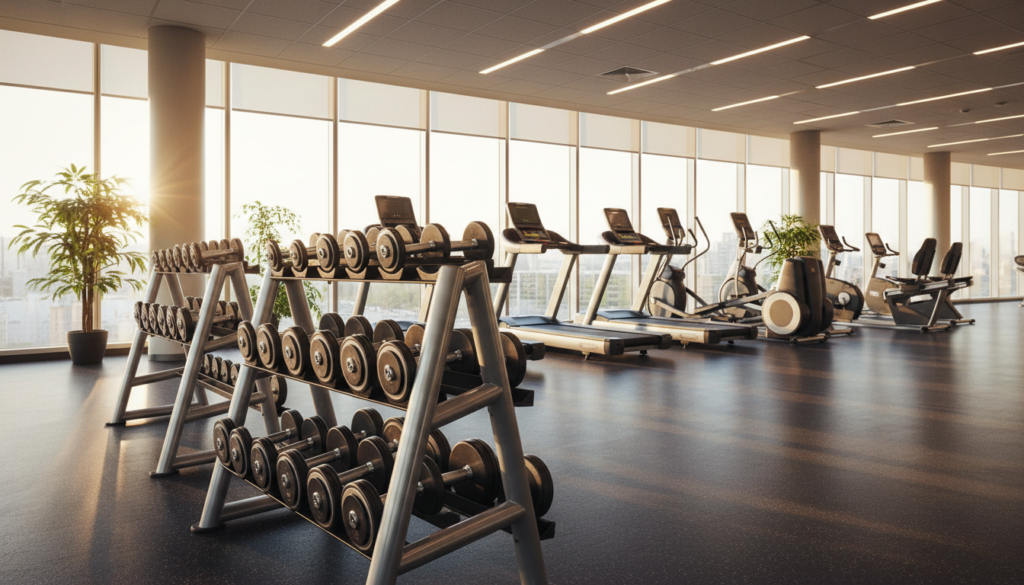
The quality and variety of equipment are fundamental aspects to consider. A good gym should have a range of cardio equipment, including treadmills, ellipticals, and stationary bikes, as well as a well-stocked weightlifting area with free weights and resistance machines. This ensures that you can vary your workouts and target different muscle groups effectively.
As noted by fitness expert,
“A well-equipped gym is the backbone of a successful fitness regimen. It allows individuals to diversify their workouts, reducing the risk of plateaus and preventing overuse injuries.”
Classes and Instruction Offered
Group classes are another important amenity that can enhance your gym experience. They offer a social aspect to working out and can be a great motivator. Look for gyms that offer a variety of classes, such as yoga, Pilates, spinning, and boot camp, at different times to fit your schedule.
- Yoga and Pilates for flexibility and core strength
- Spinning and boot camp for cardio and endurance
- Strength training classes for weightlifting techniques
Locker Rooms and Showers
The cleanliness and facilities of locker rooms and showers are also crucial. A gym with clean, well-maintained locker rooms and showers can make a significant difference in your overall experience, especially if you plan to shower at the gym after your workout.
Childcare Services and Other Perks
Some gyms offer additional perks such as childcare services, which can be a game-changer for parents. Other amenities might include towel service, nutritional counseling, and post-workout recovery areas. These extras can enhance your gym experience and provide added value to your membership.
Membership Options and Costs
When selecting a gym, understanding the various membership options and associated costs is crucial. This knowledge helps you make an informed decision that aligns with your fitness goals and budget.
Analyzing Membership Plans
Gyms typically offer a variety of membership plans designed to cater to different needs and preferences. These can range from basic access to premium packages that include personal training sessions, specialized classes, and other perks.
- Basic Membership: Access to gym facilities during operating hours.
- Premium Membership: Includes additional services like personal training, priority access, and access to exclusive classes.
- Family Membership: Discounts for families or couples.
- Student/ Corporate Membership: Special rates for students or employees of partner companies.
It’s essential to analyze these plans carefully and choose one that best fits your fitness goals and lifestyle.
Hidden Fees to Watch For
While evaluating gym membership options, it’s crucial to be aware of any hidden fees. These can include:
- Enrollment fees: One-time fees charged when you sign up.
- Maintenance fees: Periodic fees for equipment maintenance and facility upkeep.
- Cancellation fees: Charges applied if you cancel your membership before the contract period ends.
Understanding these fees can help you avoid unexpected expenses and make a more informed decision.
Comparing Monthly vs. Annual Fees
Gyms often offer both monthly and annual membership plans. Monthly plans provide flexibility, allowing you to cancel or change your plan more easily. On the other hand, annual plans can offer significant discounts for committing to a longer term.
When comparing these options, consider your budget and commitment level. If you’re new to gym-going, a monthly plan might be more suitable. However, if you’re confident in your long-term commitment, an annual plan could save you money.
Evaluating Gym Culture
When searching for the ideal gym, it’s crucial to consider the culture it embodies. The culture of a gym can greatly influence your motivation and overall experience. A gym with a supportive and motivating environment can enhance your workout routine and help you achieve your fitness goals.
Understanding the Atmosphere
The atmosphere of a gym is a critical aspect of its culture. It encompasses the overall vibe and feeling you get when you’re inside the facility. Some gyms are high-energy and intense, while others are more relaxed and calm. It’s essential to find a gym whose atmosphere aligns with your personal preferences. For instance, if you’re looking for a gym near you that’s not too intimidating for a beginner, you might prefer a more laid-back atmosphere.
Assessing Staff and Trainer Attitude
The attitude and professionalism of the staff and trainers can make or break your gym experience. Friendly, knowledgeable, and approachable staff can provide valuable guidance and support, helping you get the most out of your workouts. When visiting a potential gym, take note of how the staff interacts with you and other members. Do they seem genuinely interested in helping you achieve your fitness goals?
Community Engagement and Events
A gym that fosters a sense of community can be a great motivator. Many gyms host events, workshops, and challenges that encourage members to engage with one another and stay committed to their fitness journeys. Look for gyms that offer these types of activities if you’re someone who thrives in a community environment. Some gyms even have social media groups or forums for members to connect outside of the gym.
By carefully evaluating these aspects of a gym’s culture, you can find an exercise studio that not only meets your physical needs but also supports your mental and emotional well-being.
Trial Periods and Tours
Before committing to a gym membership, it’s crucial to experience the facilities and services firsthand. This hands-on experience will give you a better understanding of whether the fitness center meets your expectations and needs.
The Value of a Gym Tour
Taking a tour of the gym is an essential step before signing up. It allows you to see the facilities, meet the staff, and get a feel for the atmosphere. During the tour, pay attention to the cleanliness and maintenance of the equipment, the variety of amenities offered, and the overall vibe of the fitness center.
A well-maintained gym with a welcoming atmosphere can significantly impact your motivation to work out.
Making the Most of Free Trials
Utilizing free trials effectively is key to making an informed decision. Take advantage of the trial period to test the gym’s services, attend classes, and work out during peak hours to gauge the crowd and availability of equipment. This trial run will help you understand whether the gym can accommodate your schedule and fitness goals.
Preparing Your Questions
It’s essential to prepare a list of questions to ask during your visit. Inquire about membership options, the qualifications of personal trainers, and the variety of classes offered. You may also want to ask about guest policies, cancellation policies, and any promotions or discounts available.
- What are the peak hours, and how crowded does the gym get?
- Are there any additional fees for services like towel service or premium classes?
- Can I speak with a personal trainer or attend a class during my trial period?
By taking advantage of trial periods and tours, you can make a more informed decision about your gym membership. This approach ensures that you find a fitness center that aligns with your fitness goals and personal preferences.
The Role of Personal Trainers
Personal trainers play a pivotal role in tailoring fitness programs to individual needs, enhancing the effectiveness of workouts. By providing personalized guidance, they help clients achieve their fitness goals more efficiently.

Benefits of Professional Guidance
Working with a personal trainer offers numerous benefits, including customized workout plans that cater to your specific goals, whether it’s weightlifting, cardio, or overall wellness. Trainers also provide motivation and help you overcome plateaus, ensuring continuous progress.
Moreover, professional guidance can significantly reduce the risk of injury by teaching proper form and technique. This is particularly important for those new to certain types of exercises or equipment.
How to Choose the Right Trainer
Choosing the right personal trainer involves considering several factors. First, look for trainers with relevant certifications from reputable organizations. Experience in your specific area of interest, such as weightlifting, is also crucial.
Additionally, consider the trainer’s approach and personality. A good trainer should be supportive, motivating, and able to adapt their training style to your needs and preferences.
Understanding Trainer Credentials
When evaluating a personal trainer’s credentials, look for certifications from well-established organizations such as the American Council on Exercise (ACE) or the National Academy of Sports Medicine (NASM). These certifications indicate that the trainer has undergone rigorous training and has a solid understanding of exercise science and safety protocols.
It’s also beneficial to check for any specialized certifications that align with your fitness goals. For example, if you’re interested in weightlifting, a trainer with a certification in strength training can provide more targeted guidance.
Group Classes: A Social Aspect of Fitness
Group fitness classes have gained popularity due to their ability to provide a supportive community and varied workout experiences. These classes offer a dynamic and engaging way to stay motivated and achieve fitness goals.
Variety of Classes
Gyms typically offer a diverse range of group classes catering to different fitness interests and levels. From high-energy cardio workouts to strength training and flexibility sessions, there’s something for everyone. Classes like yoga, Pilates, spinning, and boot camps are popular among those looking for structured workouts with a social element.
The variety ensures that members can try new activities, avoiding the monotony of repetitive workouts and keeping their fitness journey exciting.
Benefits of Group Workouts
One of the significant advantages of group workouts is the motivation that comes from exercising with others. The camaraderie and collective energy can push individuals to work harder and stay committed to their fitness goals. Additionally, group classes are often led by experienced instructors who provide guidance, correct form, and encouragement.
Moreover, the social aspect of group classes can lead to new friendships and a sense of belonging, making the gym experience more enjoyable and something to look forward to.
Scheduling and Availability
When considering group classes, it’s essential to look at the scheduling and availability of these classes. A good gym will offer a variety of class times to accommodate different schedules, ensuring that members can find a class that fits their daily routine.
Checking the schedule in advance and planning your week can help you make the most out of the group class offerings and ensure consistency in your workout routine.
Technology and Fitness Tracking
Gyms and exercise studios now leverage advanced technology to provide a more personalized and efficient workout experience. This technological integration has transformed the fitness landscape, enabling members to track their progress, set realistic goals, and stay motivated.
Digital Tools for Fitness
Many gyms offer their own apps and online platforms that allow members to manage their workout schedules, track their progress, and access various fitness resources. These digital tools can include:
- Personalized workout plans tailored to individual goals and fitness levels
- Real-time tracking of workouts and nutritional advice
- Community forums for support and motivation
Utilizing these tools effectively can significantly enhance one’s fitness journey, making it easier to stay on track and achieve desired results.
Wearable Technology Integration
The integration of wearable technology with gym equipment and apps has become increasingly popular. Wearables can track a variety of metrics, including heart rate, calories burned, and distance covered during workouts. This data can be synced with the gym’s app, providing a comprehensive overview of one’s fitness progress.
Wearable tech integration not only enhances the workout experience but also fosters a more engaged and motivated community.
Monitoring Progress and Goal Setting
Tracking progress is a crucial aspect of any fitness regimen. By using the data collected from gym apps, online platforms, and wearable technology, members can set realistic and achievable goals. Regularly monitoring progress helps in:
- Identifying areas for improvement
- Adjusting workout routines as needed
- Celebrating milestones and achievements
By leveraging technology to track progress and set new goals, gym members can maintain a high level of motivation and commitment to their fitness journey.
Overcoming Gym Anxiety
The thought of stepping into a gym for the first time can be intimidating, but it doesn’t have to be. Many people feel apprehensive about using equipment, interacting with other gym-goers, or simply being in an unfamiliar environment. However, with some guidance and strategies, it’s possible to overcome this anxiety and make the most out of your gym experience.
Tips for First-Time Gym-Goers
For those new to the gym, here are some tips to ease into the environment:
- Start with a tour or orientation to understand the layout and available facilities at your chosen workout facility.
- Begin with basic equipment and gradually move to more complex machines.
- Consider hiring a personal trainer for initial sessions to get familiar with the gym.
Finding Your Comfort Zone
Finding comfort in a gym setting involves understanding your personal boundaries and preferences.
- Identify peak and off-peak hours to choose when you feel most comfortable.
- Explore different areas of the gym to find what suits you best, whether it’s a quiet corner or a bustling gym near me.
Building Confidence in the Gym
Building confidence is crucial for a consistent gym routine.
- Set achievable goals and celebrate small victories.
- Focus on your progress rather than comparing yourself to others.
By following these tips and being patient with yourself, you can overcome gym anxiety and enjoy a productive workout experience. Remember, the key is to start small and be consistent.
Staying Committed and Motivated
Maintaining a consistent workout routine is crucial to achieving your fitness goals. By incorporating personal training sessions and participating in group classes at your local fitness center, you can stay motivated and engaged.
Establishing a Routine
Setting a consistent routine helps to develop a habit. Schedule your workouts at the same time every day or week, and stick to it. This will help you stay on track and make progress towards your goals.
Support Systems
Having an accountability partner or support system can greatly enhance your motivation. Join a fitness community or workout with a friend who shares similar goals. Many fitness centers offer group classes that provide a social atmosphere and help you stay motivated.
Acknowledging Progress
Celebrating your progress and achievements is vital to staying motivated. Track your progress, set new goals, and reward yourself when you reach milestones. With the guidance of personal training and the camaraderie of group classes, you’ll be on your way to achieving your fitness goals at your chosen fitness center.