


Managing your health often feels like a complex puzzle with missing pieces. However, knowing your body mass index is a fantastic way to begin your wellness journey today. This simple measurement helps you see how your weight relates to your height.
We provide a user-friendly tool to help you calculate bmi quickly and easily. It serves as an inviting starting point for anyone ready to make positive lifestyle changes. You deserve to feel confident and informed about your body’s current state.
This guide explains how this metric works and why it is a valuable asset for your health. We walk you through the process of using this bmi data effectively. Let’s take the first step toward a vibrant and active life together.
Key Takeaways
- Understand what your personal score means for your health.
- Learn how height and weight ratios provide wellness insights.
- Discover why tracking these metrics is important for long-term goals.
- Use the tool as a helpful guide for making informed choices.
- Find the motivation to start a healthy new habit today.
- Explore how simple tools can simplify your fitness journey.
What is BMI and Why is it Important?
Body Mass Index, or BMI, is a widely used metric that helps determine whether a person’s weight is in a healthy range for their height. It is calculated by dividing the person’s weight in kilograms by the square of their height in meters. This simple calculation provides a general indication of whether a person is at a healthy weight, underweight, or overweight.
Understanding Body Mass Index
BMI is a tool used by healthcare professionals to assess weight status. It is not a direct measure of body fat, but it can be a useful indicator of health risks associated with weight. For adults, BMI is categorized into several ranges: underweight (BMI
Key aspects of BMI include:
- It is a simple and inexpensive way to assess weight status.
- It provides a general indication of health risks associated with weight.
- It is used as a screening tool for obesity and other weight-related health issues.
The Importance of Healthy Weight
Maintaining a healthy weight is crucial for overall health. Being underweight or overweight can increase the risk of various health problems, including diabetes, heart disease, and certain types of cancer. A healthy weight is associated with a lower risk of these conditions and can improve overall quality of life.
A healthy BMI is typically considered to be between 18.5 and 24.9. Individuals within this range are generally at a lower risk for health issues related to their weight.
How BMI Influences Health
BMI can significantly influence health by indicating the risk of weight-related health problems. A high BMI is associated with an increased risk of chronic diseases such as heart disease, stroke, and diabetes. Conversely, a low BMI can indicate malnutrition or other health issues.
According to the World Health Organization, “BMI provides the most useful population-level measure of overweight and obesity as it is the same for both sexes and for adults of all ages.” This underscores the importance of BMI as a global standard for assessing weight status.
“Maintaining a healthy weight is one of the most important things you can do for your health.”
By understanding and maintaining a healthy BMI, individuals can reduce their risk of various health issues and improve their overall wellbeing.
How to Calculate Your BMI
To determine your BMI, you can either use a simple formula or take advantage of numerous online BMI calculators. Calculating your BMI is an essential step in understanding your health status and making informed decisions about your lifestyle.
Step-by-Step Calculation Guide
Calculating your BMI manually involves a straightforward formula: BMI = weight in kilograms / (height in meters)2. To apply this formula, you need to know your weight in kilograms and your height in meters.
First, ensure your measurements are in the correct units. If your weight is in pounds, you can convert it to kilograms by dividing by 2.205. Similarly, if your height is in inches or feet, convert it to meters by multiplying the number of feet by 0.3048 or the number of inches by 0.0254.
For example, if you weigh 70 kilograms and are 1.75 meters tall, your BMI would be 70 / (1.75)2 = 22.86.
Using Online BMI Calculators
If manual calculations are not your preference, you can use online BMI calculators. These tools are readily available on various health and wellness websites. To use an online BMI calculator, simply enter your height and weight, and the calculator will provide your BMI.
Online BMI calculators often allow you to input your measurements in various units, such as pounds, inches, or feet, making it convenient for those who are not familiar with the metric system.
Benefits of using online BMI calculators include ease of use and quick results.
Understanding Metric vs. Imperial Units
Understanding the difference between metric and imperial units is crucial when calculating your BMI manually. The metric system uses kilograms for weight and meters for height, while the imperial system uses pounds for weight and feet or inches for height.
Being aware of the conversion factors between these systems can help you accurately calculate your BMI, regardless of the units you are familiar with.
Accurate unit conversion is key to obtaining a correct BMI reading.
Interpreting Your BMI Results
Interpreting your BMI results can provide valuable insights into your overall health. After calculating your BMI, understanding what the number means is crucial for determining your health status and identifying potential risks associated with your weight.
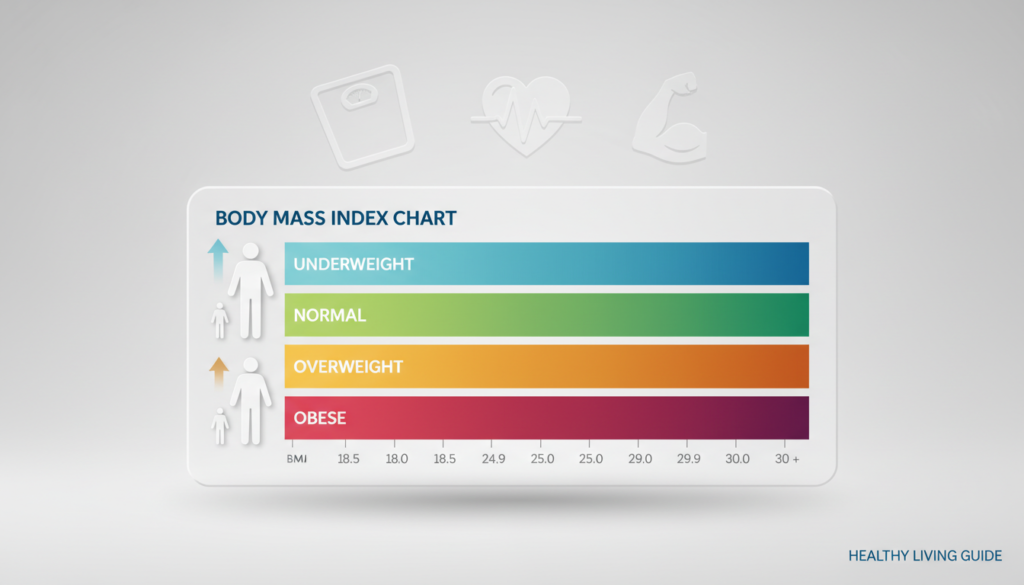
BMI Classification Categories
The BMI classification system categorizes individuals into several groups based on their BMI value. These categories include underweight (BMI
For instance, being classified as underweight bmi might indicate a risk of nutritional deficiencies or osteoporosis, while being categorized as overweight bmi could suggest an increased risk of chronic diseases like diabetes and heart disease.
Implications of Different BMI Ranges
Different BMI ranges have distinct implications for health. A BMI within the normal range generally indicates a lower risk of health problems. However, a high or low BMI can signal potential health issues. For example, a high BMI is associated with an increased risk of cardiovascular diseases, certain cancers, and type 2 diabetes.
- A BMI below 18.5 may indicate malnutrition or other health issues.
- A BMI between 25 and 29.9 suggests a higher risk of health problems.
- A BMI of 30 or higher is associated with significant health risks.
Limitations of BMI as a Metric
While BMI can be a useful tool for assessing weight status, it has its limitations. BMI does not directly measure body fat or distinguish between fat and muscle mass. Therefore, athletes or individuals with a muscular build may have a high BMI without being overweight.
It’s also important to consider that BMI is not a perfect measure for everyone, particularly for individuals from diverse ethnic backgrounds or those with a non-European body type. Other factors such as waist circumference and body composition should also be considered when evaluating health risks.
Factors Affecting BMI
Understanding the factors that influence your BMI is crucial for a more accurate interpretation of your health status. While BMI provides a general indication of whether your weight is in a healthy range for your height, it doesn’t account for several other important factors.
Age and Gender Differences
Age and gender are significant factors that can affect your BMI. As people age, their body composition often changes, with a potential increase in body fat and decrease in muscle mass. Gender also plays a role, as women generally have a higher percentage of body fat compared to men at the same BMI. These differences are crucial when interpreting BMI, as the same BMI value can have different health implications for different age groups and genders.
Muscle Mass vs. Body Fat
Another critical factor is the distinction between muscle mass and body fat. BMI does not differentiate between lean body mass (muscle) and body fat. Therefore, individuals with a high muscle mass, such as athletes, may have a high BMI without being overweight. Conversely, individuals with a low muscle mass may have a normal BMI but still have a high percentage of body fat, a condition known as sarcopenic obesity.
Lifestyle Choices and Their Impact
Lifestyle choices, including diet and physical activity levels, significantly impact your BMI. A diet high in calories and low in nutrients can lead to weight gain, while regular physical activity can help maintain or reduce weight. Furthermore, lifestyle factors can influence body composition, with regular exercise potentially increasing muscle mass and decreasing body fat. Understanding the impact of these choices on your BMI can help you make informed decisions about your health.
By considering these factors, you can gain a more nuanced understanding of your BMI and its implications for your health. This holistic approach allows for a more accurate assessment of whether your weight is healthy and what steps you might take to improve your health status.
Tips for Maintaining a Healthy BMI
Understanding how to maintain a healthy BMI can significantly impact your overall health and reduce the risk of chronic diseases. Maintaining a healthy BMI is a journey that involves making informed lifestyle choices.
Incorporating Regular Exercise
Regular physical activity is a cornerstone of maintaining a healthy BMI. It’s not just about burning calories; exercise helps build muscle mass, improve metabolism, and enhance overall physical and mental health. Aim for at least 150 minutes of moderate-intensity aerobic activity or 75 minutes of vigorous-intensity aerobic activity per week, along with muscle-strengthening activities on two or more days.
Tips for Effective Exercise:
- Find activities you enjoy, whether it’s walking, cycling, or swimming, to make exercise a sustainable part of your routine.
- Incorporate strength training to build muscle and boost your metabolism.
- Schedule your workouts and treat them as non-negotiable appointments.
Healthy Eating Habits
Adopting healthy eating habits is crucial for maintaining a healthy BMI. This involves focusing on nutrient-dense foods, controlling portion sizes, and limiting the intake of processed and high-calorie foods.
Nutritional Tips:
- Emphasize whole grains, fruits, vegetables, lean proteins, and healthy fats in your diet.
- Be mindful of portion sizes to avoid overeating.
- Limit sugary drinks and foods high in added sugars, salt, and unhealthy fats.
Mindful Eating Techniques
Mindful eating involves paying attention to your hunger and fullness cues, eating slowly, and savoring your food. This approach can help you develop a healthier relationship with food and reduce overeating.
Practicing Mindful Eating:
- Eat without distractions, such as turning off the TV or eating away from screens.
- Pay attention to the taste, texture, and smell of your food.
- Stop eating when you feel satisfied, rather than waiting until you feel full.
BMI and Children
Monitoring a child’s BMI can help identify potential health issues early on. It’s essential for parents and caregivers to understand the significance of BMI in children and how it can impact their overall health and development.
Calculating BMI for Kids
Calculating BMI for children is similar to adults, but the interpretation differs due to age and gender differences. The formula remains the same: BMI = weight (in kg) / height (in meters) squared. However, for children, BMI is plotted on a growth chart to determine their percentile ranking compared to other children of the same age and gender.
Key steps to calculate BMI for kids:
- Measure the child’s weight and height accurately.
- Use a BMI calculator or chart specifically designed for children.
- Plot the child’s BMI on a growth chart to determine their percentile.
The Importance of Monitoring Pediatric BMI
Monitoring pediatric BMI is crucial because it helps in the early detection of potential health risks associated with being underweight, overweight, or obese. Children with a high or low BMI may be at risk for various health issues, including diabetes, heart disease, and mental health concerns.
Benefits of monitoring pediatric BMI include:
- Early identification of health risks.
- Opportunity for early intervention through diet and lifestyle changes.
- Reducing the risk of developing chronic diseases later in life.
Promoting Healthy Weight in Childhood
Promoting a healthy weight in children involves a combination of healthy eating habits, regular physical activity, and a supportive environment. Parents and caregivers play a significant role in shaping a child’s lifestyle choices.
Tips for promoting healthy weight:
- Encourage a balanced diet rich in fruits, vegetables, and whole grains.
- Limit screen time and promote outdoor activities.
- Be a role model by practicing healthy habits yourself.
The Role of BMI in Preventing Diseases
Maintaining a healthy BMI is crucial for preventing a myriad of diseases that can significantly impact one’s quality of life. A healthy BMI not only reduces the risk of chronic illnesses but also improves overall wellbeing. In this section, we will explore the connection between BMI and various health conditions.
Connection Between BMI and Chronic Illness
A high BMI, particularly one that falls into the overweight or obese category, is linked to an increased risk of developing chronic illnesses such as diabetes, certain types of cancer, and cardiovascular diseases. On the other hand, being underweight can also have negative health implications, including a weakened immune system and osteoporosis.
Understanding the implications of having an overweight bmi or underweight bmi is crucial for taking preventive measures. For instance, maintaining a healthy weight through a balanced diet and regular exercise can significantly reduce the risk of chronic diseases.
BMI in Relation to Heart Health
The relationship between BMI and heart health is well-documented. Individuals with a high BMI are at a greater risk of developing heart disease, including conditions such as hypertension and coronary artery disease. Conversely, maintaining a BMI within the normal range can help in preventing these conditions and ensuring a healthier heart.
Studies have shown that even a moderate reduction in weight for those with an overweight bmi can lead to significant improvements in heart health, including lower blood pressure and improved lipid profiles.
Impact of BMI on Mental Health
BMI can also have a significant impact on mental health. Being overweight or underweight can lead to issues such as low self-esteem, depression, and anxiety. Maintaining a healthy BMI through a balanced lifestyle can contribute to better mental health and wellbeing.
Furthermore, a healthy BMI is associated with a reduced risk of developing eating disorders and other mental health issues related to body image and weight.
BMI Calculators and Apps to Consider
In today’s digital age, calculating your BMI has become more accessible thanks to a variety of online calculators and health apps. These tools not only simplify the process but also provide additional features that can help you understand your health better.
Top BMI Calculators Available Online
Several websites offer free BMI calculators that are easy to use and provide accurate results. Some of the top BMI calculators available online include:
- National Institutes of Health (NIH) BMI Calculator: A trusted source that provides a simple and straightforward BMI calculation.
- American Heart Association (AHA) BMI Calculator: Offers additional resources on heart health and BMI.
- CDC BMI Calculator: Provided by the Centers for Disease Control and Prevention, this calculator is a reliable source for BMI calculation and interpretation.
These calculators are not only useful for adults but also for children and teenagers, with some tools providing growth charts and percentile curves.
Popular Health Apps with BMI Features
Health and fitness apps have become increasingly popular, and many of them include BMI calculation as part of their features. Some popular health apps include:
- MyFitnessPal: Known for its calorie tracking feature, it also allows users to track their BMI.
- Fitbit: Users can monitor their BMI alongside other health metrics like activity levels and sleep quality.
- Apple Health: For iOS users, this app provides a comprehensive health tracking platform that includes BMI monitoring.
These apps often sync with wearable devices or health trackers, providing a more holistic view of your health.
Comparing Tool Accuracy
While most BMI calculators and apps provide accurate results based on the input data, there can be slight variations due to differences in calculation formulas or additional factors considered. For instance, some tools may use the BMI formula (BMI = weight in kg / height in meters squared) directly, while others might adjust for age or gender.
When choosing a BMI calculator or app, consider the following factors to ensure accuracy and reliability:
- Reputation of the source
- Clarity of instructions and results
- Additional features that support overall health monitoring
By selecting a reputable and user-friendly tool, you can effectively monitor your BMI and make informed decisions about your health.
Misconceptions About BMI
Despite its widespread use, Body Mass Index (BMI) is often misunderstood, leading to misconceptions about its implications for health. BMI is a simple calculation using a person’s height and weight to categorize them as underweight, normal weight, overweight, or obese. However, its simplicity can be misleading.
Common Myths Debunked
Several myths surround the use of BMI. One common misconception is that it directly measures body fat. In reality, BMI is a surrogate measure that doesn’t distinguish between lean body mass and body fat. For instance, athletes with high muscle mass may have a high BMI without being overweight.
- Myth: BMI is a perfect measure of health. Reality: It doesn’t account for muscle mass or body composition.
- Myth: BMI applies equally to all ethnic groups. Reality: Different ethnic groups may have different body compositions and health risks at the same BMI.
- Myth: BMI is not useful for children. Reality: While adult BMI is straightforward, children’s BMI is age and sex-specific, making it more complex but still useful when interpreted correctly.
Understanding the Critiques of BMI
Critics argue that BMI has several limitations. It doesn’t account for distribution of fat, which is a critical factor in health risks. For example, visceral fat around the abdomen is more harmful than fat stored elsewhere on the body.
Some of the key critiques include:
- Failure to differentiate between fat and lean body mass.
- Not accounting for the distribution of body fat.
- Potential inaccuracy for non-European populations due to differences in body proportions.

Alternatives to BMI for Assessing Health
Given the limitations of BMI, healthcare professionals are exploring alternative measures to assess health more accurately. These include waist circumference, waist-to-hip ratio, and more advanced measures like dual-energy X-ray absorptiometry (DXA) for body composition analysis.
Some of these alternatives offer a more nuanced view of health by considering factors beyond just weight and height. For example, waist circumference can provide insight into visceral fat, a known risk factor for chronic diseases like diabetes and heart disease.
By understanding the limitations of BMI and considering alternative measures, individuals can get a more comprehensive picture of their health status.
Tracking Your BMI Over Time
Understanding how your BMI changes over time is vital for making informed health decisions. By regularly monitoring your BMI, you can identify patterns and trends that may not be apparent with a single measurement.
Importance of Regular Monitoring
Regular BMI monitoring allows you to track changes in your body mass index, providing insights into the effectiveness of your diet and exercise regimen. This ongoing assessment can help you stay motivated and make adjustments as needed to achieve your health goals.
Key benefits of regular BMI monitoring include:
- Early detection of unhealthy trends
- Improved ability to set realistic goals
- Enhanced motivation through visible progress
Setting Realistic BMI Goals
When setting BMI goals, it’s essential to be realistic and consider your overall health and wellness. Aiming for a healthy BMI range can significantly reduce the risk of chronic diseases.
To set achievable goals, consider the following:
- Consult with a healthcare professional to determine a healthy BMI range for your age, gender, and body type.
- Break down larger goals into smaller, manageable steps.
- Regularly review and adjust your goals based on your progress.
Adjusting Lifestyle Based on BMI Trends
As you track your BMI over time, you may need to make lifestyle adjustments to stay on track or address any negative trends. This could involve changes to your diet, exercise routine, or other health-related habits.
Some effective strategies include:
- Increasing physical activity through regular exercise
- Eating a balanced diet that promotes a healthy BMI
- Monitoring portion sizes and overall calorie intake
By being proactive and making informed decisions based on your BMI trends, you can work towards achieving and maintaining a healthy weight.
Resources for Further Information
For those looking to delve deeper into the world of BMI and healthy living, numerous resources are available. Understanding body mass index is crucial for maintaining a healthy bmi, and there are many reliable sources to explore.
Reliable Health Websites
Websites like the Centers for Disease Control and Prevention (CDC) and the World Health Organization (WHO) offer comprehensive information on body mass index, its calculation, and implications for health. These resources provide authoritative guidance on achieving and maintaining a healthy bmi.
Books and Guides on Nutrition and Fitness
Numerous books and guides are available that focus on nutrition, fitness, and their impact on bmi. Titles from reputable authors and health experts can offer valuable insights and practical advice for those seeking to improve their body mass index.
Professional Organizations Dedicated to Health
Organizations such as the American Heart Association and the Academy of Nutrition and Dietetics are dedicated to promoting health and wellness. They provide resources and information that can help individuals understand the importance of maintaining a healthy body mass index.